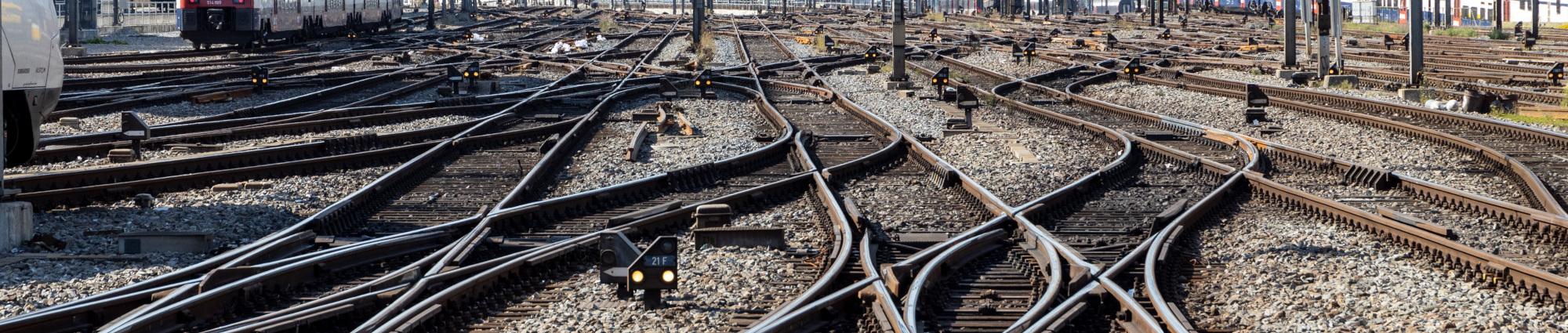
Switches and crossings (S&C) are essential systems in railway infrastructure and play a crucial role in distribution of rail traffic as well as in track flexibility and safety. However, due to their geometric complexity and exposure to dynamic loads, they are among the most failure-prone elements of railway infrastructure, especially in dense urban networks like Brussels.
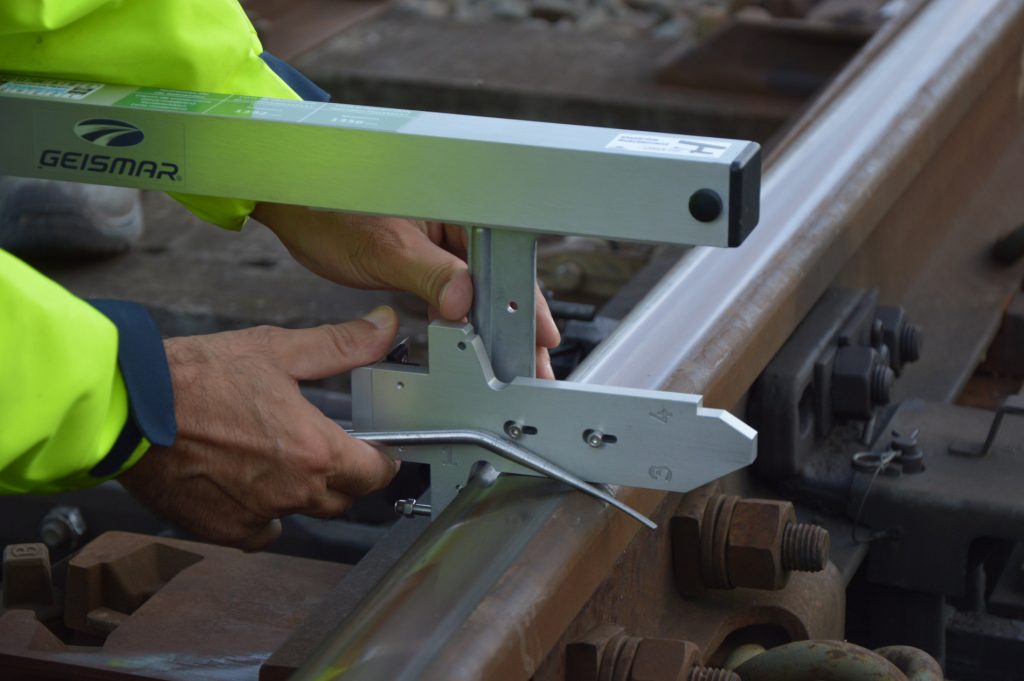
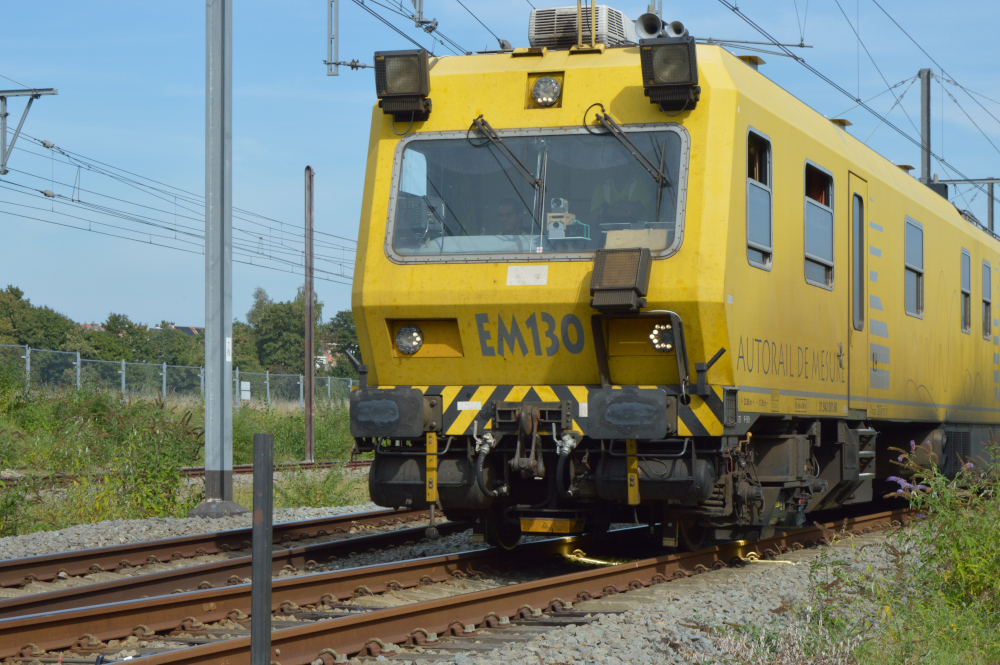
This thesis analyzes the dynamic behavior of a right-hand turnout mounted on wooden sleepers, focusing on the current gap between static measurements (using a digital ruler) and dynamic measurements (by an on-board measurement system on the EM130 measuring train). This project, which was carried out as part of AIGUIDYN, a collaborative project between Infrabel and UCLouvain, combines experimental campaigns and multibody simulations to study the influence of train direction, velocity, mass distribution, lateral stiffness and wear on both rail deformation and measurement accuracy.
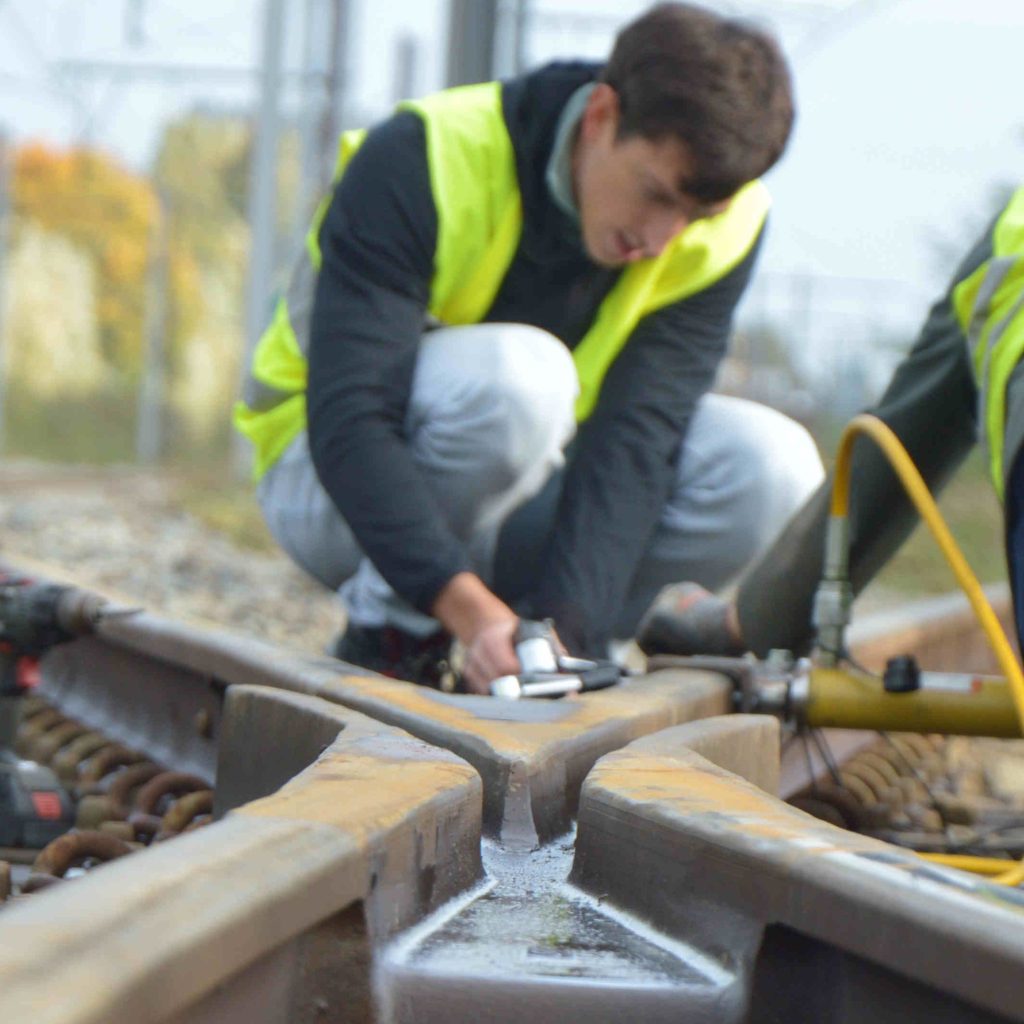
Two experimental campaigns were conducted: a dynamic campaign using on-board and on-track sensors, and a static campaign using a hydraulic jack to characterize lateral stiffness. In parallel, a multibody model was developed with the ROBOTRAN to simulate train-turnout interactions, including wheel tread and flange contact.
Results show that, for operational speeds up to 40 km/h, quasi-static factors that result from the complex guiding mechanism of the train in the turnout — such as train configuration during the passage, the way the vehicle applies lateral loads to the turnout and track curvature — dominate over dynamic effects due to speed and acceleration. This research also highlights the importance of sensor location depending on whether the goal is to capture maximal dynamic or geometrical measurements, the influence of lateral stiffness, and the need to reconsider maintenance thresholds based on dynamic measurements.
These findings help to understand the differences and to contribute to bridging the gap between static and dynamic measurements. Furthermore, they provide practical guidance for improving turnout inspection strategies and enhancing railway safety in the future.
The AIGUIDYN project is a collaborative Applied PhD research between Infrabel &
UCLouvain supported by Brussels-Capital Region and Innoviris.